News · Economics and Business of Sports
The global sports market’s growth is driven by media, capital, and fan experience.
The global sports industry is undergoing a transformation in its revenue model.

The global sports market is shifting away from its traditional reliance on competition and television broadcasting, and towards commercial, digital, and fan experience revenues.
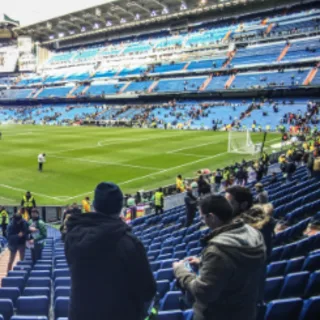
The global sports industry is increasingly becoming a multi-layered economic ecosystem, with clubs, media, technology, investors, stadiums, and digital platforms all interconnected, according to the specialized sports economics platform.
Deloitte’s 2026 report highlights four key trends in the sports industry: increased use of artificial intelligence in operations, a growing role for capital in ownership and investment, convergence of sports with media and entertainment, and the transformation of stadiums into multi-purpose economic spaces.
The economic value of sports in the media sector continues to rise. According to S&P Global, the global value of sports media rights in 2026 will reach $67.34 billion, a 9.6% increase from 2025. North America dominates the global sports rights market, accounting for 52% of the total, or $34.9 billion.
Meanwhile, the relationship between fans and sports is evolving. Clubs are no longer just selling competition; they’re also offering content, experiences, merchandise, digital services, and exclusive access. This shift has transformed the concept of a “fan” from a passive observer to an active, multi-channel customer, as evidenced by industry reports.
This transformation is equally significant for Iran’s sports economy. In a market where traditional club revenues are limited, developing e-commerce, digital content, fan services, targeted sponsorship, and multi-purpose stadium use can help bridge the revenue gap.
As a result, the key question in sports economics is no longer just “how much revenue does sports generate?” but rather “through which channels is this revenue generated, and how can clubs capture a larger share of the economic value of their fans, media, and brand?”
End of message.