The transformation of revenue models in major football clubs.
Clubs are moving towards generating revenue 365 days a year.
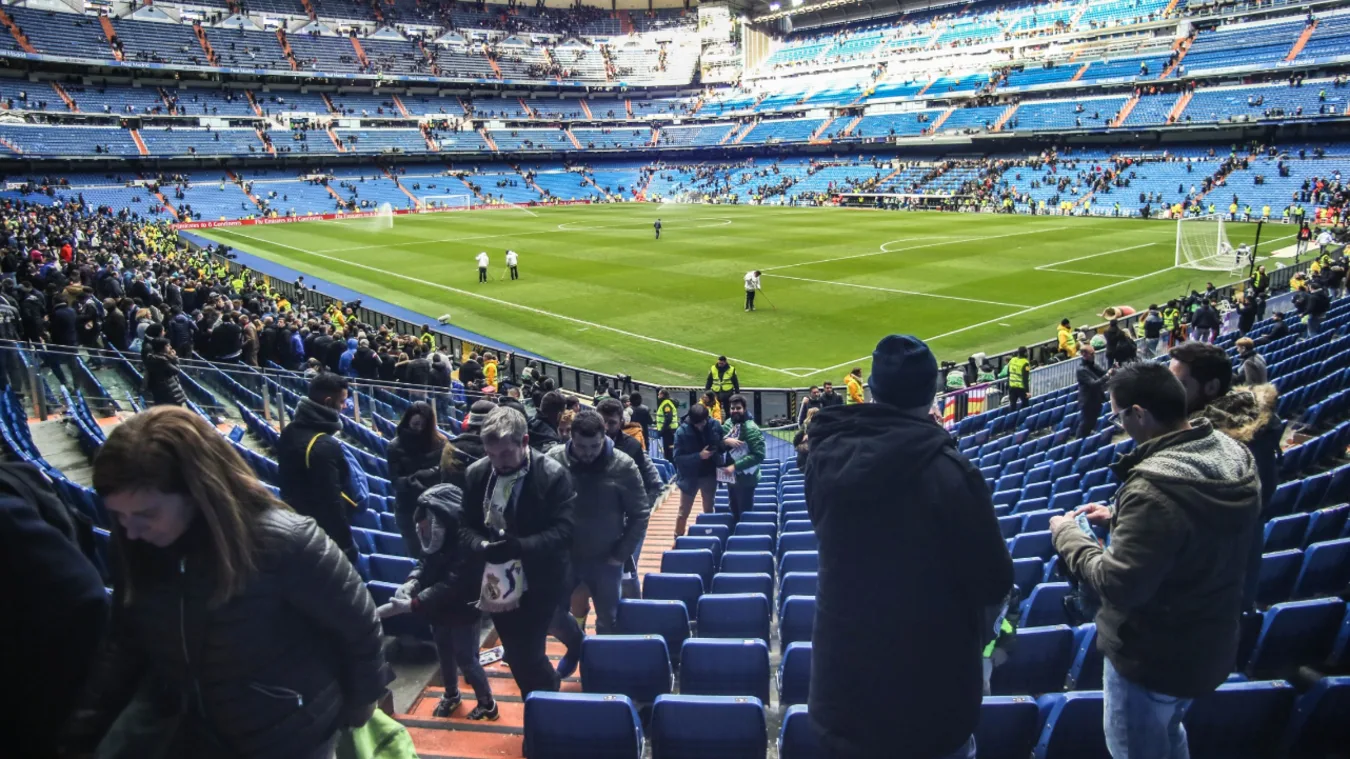
The growth in commercial revenue of major football clubs shows that stadiums have become multi-purpose economic assets.
According to the specialized sports economics platform, the world’s biggest football clubs are changing their view of stadiums. Once a space that primarily generated revenue on match days, stadiums are now being transformed into year-round hubs for restaurants, hotels, shops, museums, entertainment, events, and commercial activities.
The Deloitte Football Money League 2026 report by professional services firm Deloitte reveals that the world’s 20 highest-grossing football clubs earned over 12 billion euros in the 2024-25 season for the first time, with total revenue reaching 12.4 billion euros—a 11% increase compared to the previous season.
Commercial revenue was the largest source of income for these clubs, totaling 5.3 billion euros. Match day revenue reached 2.4 billion euros, while media broadcasting revenue hit 4.7 billion euros.
Why has commercial revenue become more important?
Deloitte reports that the use of stadiums and surrounding areas on non-match days has been a key factor driving the increase in commercial revenue.
Examples of this model include restaurants, hotels, shops, museums, entertainment programs, and the hosting of non-sporting events.
For instance, Real Madrid’s commercial revenue in the 2024-25 season reached 594 million euros—a figure that alone could place the club among the top 10 in the revenue rankings.
This trend sends a crucial message to club economics: a club’s assets are not limited to its football team. Brand, stadium, fans, content, and data can also be significant economic assets.
End of message.